
SaaS Dashboards That Turn Data Into Decisions.
SaaS dashboard development for founders and teams who need clear answers, not cluttered screens. I design and build fast, secure admin panels and analytics dashboards that connect to your data, respect user roles and grow with your product, so every login leads to a better decision.
- Clean, documented code you own
- Secure roles and permissions
- Built to scale with your users
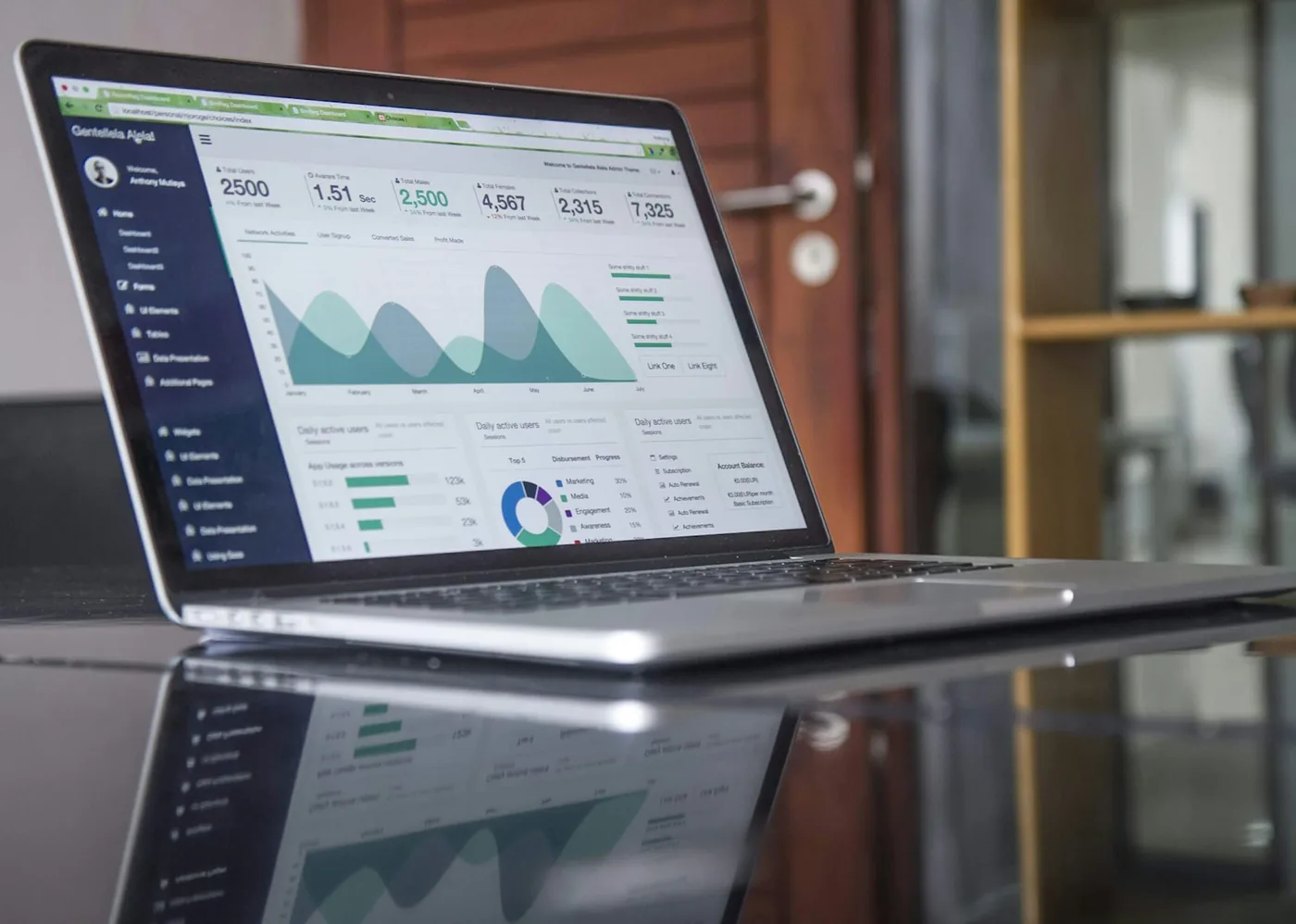
SaaS dashboard development built around your users.
Admin Dashboards
A central control room for your product. Manage users, content, orders and settings from one clean admin panel designed for speed, with search, filters and bulk actions your team will actually use.
Analytics & Charts
Turn raw rows into charts people understand at a glance. Revenue, signups, churn and usage trends shown with interactive JavaScript charts, date ranges and exports, so decisions come from real numbers.
User Roles & Auth
Secure sign-in, password resets and team invites, plus role-based permissions that decide who sees and edits what. Admins, managers and customers each get exactly the access they need, nothing more.
API Integrations
Connect your dashboard to the tools you already run on. I integrate your existing REST API, payment providers, CRMs, email services and webhooks so data flows in automatically without manual copy and paste.
Billing & Subscriptions
Plans, trials, upgrades, invoices and failed payment handling built into your app. Customers manage their own subscriptions, and you see recurring revenue and account status clearly in one place.
Maintenance
Ongoing care after launch. Security updates, bug fixes, performance checks, database backups and small feature improvements, so your custom web app stays fast, stable and ready for new users.
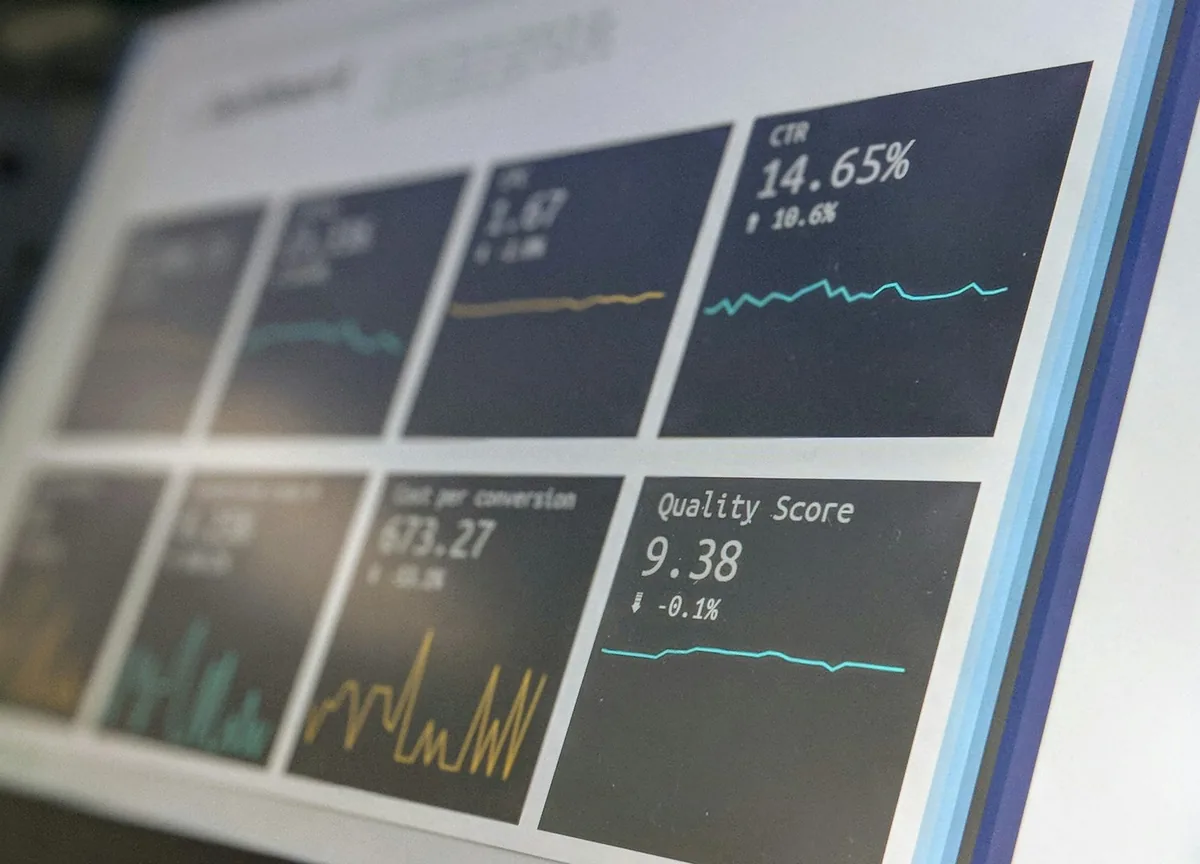
Numbers that tell a clear story.
Most dashboards show everything and explain nothing. I start by asking which decisions you make every week, then design an analytics dashboard around those answers. Key metrics sit at the top, trends sit underneath, and details are one click away. Queries run on a well-structured PostgreSQL database, so pages load quickly even as your data grows. Every chart is filterable by date, plan or segment, and any table can be exported when your accountant or investor asks for it. The result is a screen your team opens first thing every morning.
- Metrics chosen around real business decisions
- Fast queries on a clean PostgreSQL schema
- Filters, date ranges and CSV exports
- Responsive layout for desktop, tablet and phone

An admin panel your team enjoys using.
Good admin panel development is about removing friction. Support staff should find a customer in seconds, managers should approve requests without hunting through menus, and nobody should touch data they are not allowed to see. I build interfaces with Tailwind for a consistent, tidy look and a Python backend that enforces permissions on every request. Activity logs record who changed what and when, which keeps your team accountable and makes problems easy to trace. Because the code is modular, adding new screens later is simple rather than painful.
- Instant search, filters and bulk actions
- Permissions checked on the server, not just the screen
- Audit logs for every important change
- Modular code that is easy to extend
A clear process, zero surprises.
Discovery
We talk through your product, your users and the decisions the dashboard must support, then agree on scope, priorities and a clear written plan.
Design
I map the data model and create wireframes and Figma screens, so you can see layouts, navigation and key charts before any code is written.
Build
The backend, database and interface are developed in short cycles. You get a staging link to review real progress and give feedback early.
Test & Launch
Every role, form, integration and payment flow is tested carefully. Then we deploy to production with backups, monitoring and secure configuration in place.
Support & Grow
After launch I fix issues, watch performance and add new features as your user base and requirements evolve over time.
Modern tools, proven results.
I use battle-tested, actively maintained tools so your project stays fast, secure and easy to update.
Simple, transparent packages.
Every project gets a fixed written quote after a short discovery call. You own the source code and get post-launch support.
MVP Dashboard
- Core admin panel with essential screens
- Secure login and basic user roles
- Key metrics and simple charts
- PostgreSQL database setup
- Deployment to your server or cloud
Growth SaaS
- Everything in MVP Dashboard
- Advanced analytics dashboard with filters
- Subscription billing and invoices
- Third-party API integrations
- Audit logs and team permissions
Custom Platform
- Fully custom web app architecture
- Multi-tenant accounts and workspaces
- Custom reporting and data exports
- Performance tuning for large datasets
- Ongoing maintenance and feature support
See it live.
Explore live demos of dashboards, admin panels and web apps I have built. Click around to see the layouts, charts and interactions your own product could have.
Questions, answered.
Everything you need to know before we start. Can’t find your answer? Send me a message.
What tech stack do you use for SaaS dashboards?
For most SaaS dashboard development projects I use Python on the backend with Django or FastAPI, PostgreSQL as the database, and REST APIs to connect everything. The interface is built with Tailwind CSS and modern JavaScript, with charting libraries such as Chart.js for interactive graphs. Stripe handles subscriptions when billing is needed. This stack is proven, secure and well supported, which means your product is easy to maintain and easy for other developers to work on later if your team grows.
How much does a SaaS dashboard cost?
The cost depends on scope. The main factors are the number of screens, how many user roles you need, how complex your data and reports are, whether billing is included, and how many outside services must be integrated. A focused MVP costs far less than a full multi-tenant platform. After a short discovery call I send a fixed written quote that lists every feature, so you know exactly what you are paying for before any SaaS dashboard development work begins.
Can you connect my existing API?
Yes. If your product already has a REST API, I can build the dashboard on top of it, reading and writing data through your existing endpoints. I review your documentation, handle authentication tokens securely, and add caching where it helps speed. If parts of the API are missing or slow, I can suggest or build additions. I also connect third-party services such as payment gateways, CRMs, email tools and webhooks, so information reaches your dashboard automatically.
Who owns the code?
You do. Once the project is paid for, the full source code, database schema and design files belong to you. I deliver everything through a Git repository under your account, along with setup notes and documentation so another developer could pick it up if needed. There is no lock-in and no hidden licence fee for my work. Any third-party services you use, such as hosting or Stripe, stay in your name and under your control.
Do you build an MVP first?
Usually, yes, and I recommend it. An MVP covers the core screens, secure login and the few metrics that matter most, so you can put a working product in front of real users quickly. Their feedback then guides what we build next instead of guesses. The code is structured from day one to grow, so moving from MVP to a full custom web app means adding features, not rewriting the foundation.
What is the difference between an admin panel and an analytics dashboard?
An admin panel is where your team manages things: users, orders, content, settings and permissions. An analytics dashboard is where you understand things: charts, trends and key metrics that show how the business is performing. Many SaaS products need both, and they work best when designed together and share the same data and login. I often build them as one application with separate areas, so each person sees the tools that match their role.
Ready to see your data clearly? Let’s build your dashboard.
Tell me about your project and get a free consultation, timeline and fixed quote within 24 hours.
- hello@nowdigiverse.com
- Remote · Worldwide clients
- Reply within 24 hours